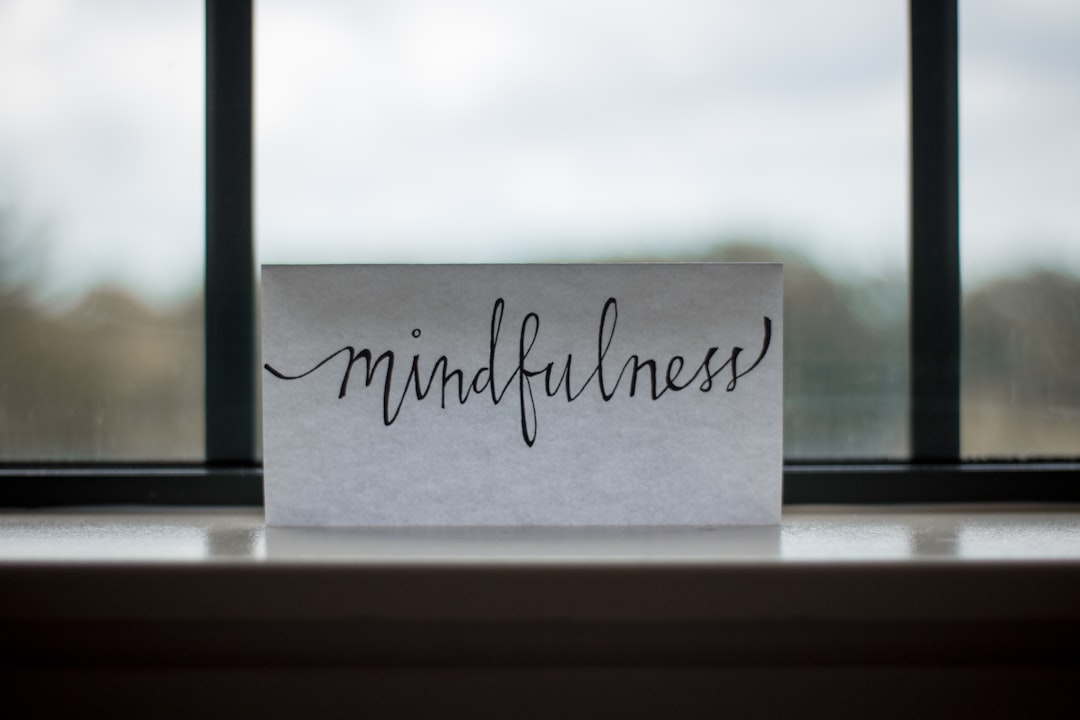
A realistic daily wellness routine does not need to fill every minute or include every healthy habit at once. This guide gives you a flexible morning-to-evening checklist, scenario-based options, and a weekly reset process so your self-care routine can support your actual energy, schedule, and responsibilities.
Overview
The best wellness routine is one you can repeat on an ordinary day. Instead of building an ambitious schedule that depends on perfect motivation, start with a few small actions that support mindful self-care: noticing how you feel, caring for your body, eating and drinking regularly, adding comfortable movement, and creating a transition into rest.
Think of your routine as a set of anchors rather than a strict timetable. An anchor is an action connected to a reliable part of your day, such as drinking water after waking, taking a short walk after lunch, or putting your phone away before bed. Anchors make healthy habits for wellness easier to remember because they fit into an existing pattern.
Begin with three essentials:
- One morning anchor: Check in with your energy, drink something, and choose the day’s most important need.
- One daytime anchor: Pause for food, movement, fresh air, or a brief breathing exercise.
- One evening anchor: Reduce stimulation, complete a simple body care routine, and prepare for sleep.
After a week, review what happened instead of judging whether you were “good” at the routine. Keep actions that felt useful, shorten actions that were difficult to complete, and remove anything that created unnecessary pressure. This is how to build a wellness routine that adapts rather than breaks when life changes.
Checklist by scenario
A flexible everyday routine
Use this as a starting point. You do not need to complete every item every day.
- Morning: Notice your energy and mood before reaching for a long to-do list. Drink water or another preferred beverage, wash and moisturize as needed, and choose one priority for the day.
- Midday: Eat a meal or snack that combines foods you find satisfying, take a short movement break, and relax your shoulders and jaw. If you spend much of the day sitting, change position or walk briefly.
- Afternoon: Check whether fatigue is coming from hunger, dehydration, mental overload, or too little movement. Address one likely need rather than trying to solve everything with more productivity.
- Evening: Tidy one small area, prepare an item for tomorrow, and choose a calming activity. Keep your body care routine simple: cleanse if needed, moisturize dry areas, and use products your skin already tolerates.
- Before bed: Lower lights or screen stimulation when practical, write down unfinished thoughts, and give yourself a consistent opportunity for sleep.
For a more detailed plan, see A Simple Daily Wellness Routine: A Flexible Morning-to-Evening Plan.
On a busy day
Use the minimum effective version of your self care routine. Drink something, eat a practical meal or snack, take two or three minutes to breathe slowly, and make one brief transition away from your work or responsibilities. A short walk to the end of the street, a few gentle stretches, or standing while making a phone call can count as movement.
Do not postpone all care until you have a free hour. Small actions can protect the routine’s continuity. Keep convenient options visible, such as a water bottle, comfortable shoes, moisturizer, or a written reminder to pause.
On a low-energy day
Lower the standard, not your self-respect. Choose actions that require little preparation: wash your face, change into comfortable clothing, eat something easy to assemble, sit near natural light, or practice five slow breaths. Gentle mobility can include ankle circles, shoulder rolls, or walking around your home for a few minutes if that feels appropriate.
Low energy that is persistent, severe, or accompanied by concerning symptoms deserves professional attention. A daily routine can support well-being, but it is not a substitute for medical care.
On a work-from-home day
Create clear transitions so work does not occupy the entire day. Start with a brief morning check-in away from your desk. During the day, place meals and movement breaks on your calendar if you tend to work through them. At the end of work, shut down your workspace, change rooms or clothing, and take a short walk or perform a calming activity before beginning your evening.
For a mindfulness-focused day
Practice attention during an ordinary task rather than waiting for a perfect meditation session. Notice the sensation of washing your hands, the first few bites of a meal, or the feeling of your feet while walking. If you want a structured plan, use How to Start a Mindfulness Practice: A 30-Day Beginner Plan and Reflection Log.
What to double-check
Before committing to a new routine, check whether it fits your real constraints.
- Time: Can you complete the habit on a rushed day, or does it depend on an unrealistic amount of free time?
- Energy: Have you included an easier version for days when you are tired, unwell, caring for someone, or emotionally overloaded?
- Access: Do you need special equipment, ingredients, apps, or products? If so, identify a simpler alternative.
- Enjoyment: Do you prefer walking, stretching, dancing, or another form of movement? A routine is easier to repeat when it feels acceptable or pleasant.
- Sleep: Is your evening plan helping you wind down, or is it adding another performance task? Use the checklist in How to Improve Sleep Quality: A Bedroom Reset and Nightly Troubleshooting Checklist if your sleep environment needs attention.
- Food and hydration: Have you planned realistic meals and snacks for your schedule? The balanced meal planning template and healthy snack guide can help you prepare without making every meal complicated.
Also consider whether a habit is appropriate for your circumstances. If you have a health condition, take medication, are pregnant, or have specific nutrition or exercise concerns, ask a qualified professional how to adapt your routine.
Common mistakes
Trying to change everything at once
A routine with ten new behaviors creates many opportunities to feel behind. Start with one or two anchors for seven days. Add another only when the first actions feel familiar.
Confusing intensity with consistency
A demanding workout, elaborate meal plan, or long meditation session is not automatically better self-care. A brief, repeatable practice may serve you better than an occasional burst of effort.
Using tracking as a source of pressure
A habit tracker should reveal patterns, not grade your worth. Track a few useful details, such as whether you moved, paused, ate regularly, or created a bedtime transition. Leave room for notes about mood and energy rather than recording numbers that do not help you make decisions.
Ignoring recovery
Rest is part of whole body wellness. If your plan contains constant activity but no quiet time, enjoyable connection, or sleep support, it is incomplete. For stressful evenings, try the options in How to Build a Simple Evening Self-Care Routine for Stressful Days.
Keeping a routine that no longer fits
Schedules, seasons, work demands, illness, travel, and caregiving can all change what is realistic. Adjusting the plan is not failure; it is part of maintaining it.
When to revisit
Review your daily wellness routine once a week for five minutes. Ask:
- Which action supported my energy, mood, or sense of calm?
- Which action was too long, inconvenient, or unclear?
- What repeatedly interrupted the routine?
- What is the smallest adjustment I can test next week?
Use a simple rating such as “helpful,” “neutral,” or “not a fit.” You can also record one sentence about your mood and energy. The Weekly Wellness Check-In provides a reusable format for this review.
Revisit the routine before seasonal schedule changes, travel, a new work pattern, or a change in household responsibilities. It is also worth checking your tools and product choices when they stop being accessible, comfortable, or useful. Keep the core anchors, replace what no longer works, and add only one manageable habit at a time.
To begin today, choose one morning anchor, one daytime pause, and one evening action. Write them where you will see them, practice them for a week, and return to your notes before making the next change. A sustainable self care routine is built through these small, repeatable decisions.